Nuclear fission criticality reached


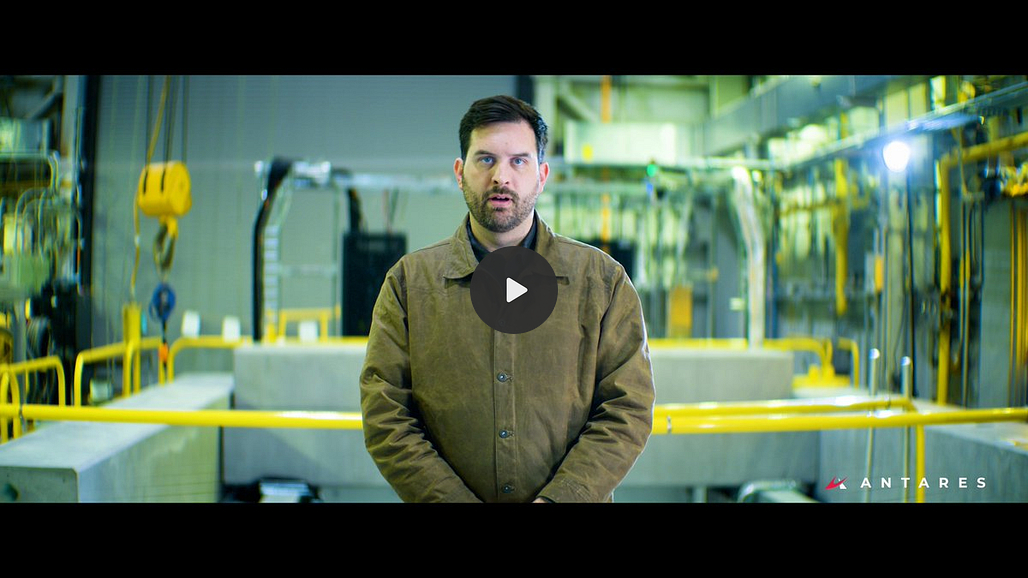
Nuclear criticality is the point at which a nuclear fission chain reaction becomes self-sustaining. Basically, this means we have a controlled fission reaction. Each fission reaction causes exactly one more fission reaction.
Mark-0 advanced reactor from Antares Industries achieved zero-power fueled criticality at Idaho National Laboratory under the DOE Reactor Pilot Program.
First privately developed non-light-water reactor to reach criticality in the US in over 40 years.
The test confirms safe operation and establishes a basis for electricity production in 2027 and beyond.
The demonstration validates the design for future terrestrial, space, and military microreactor applications.
Interestingly, there was also some news related to fusion. Helion Energy, which is building a fusion reactor for commercial use, raised $465mn Series G.
“Fusion is no longer a future idea, but a path to clean, reliable, affordable always-on electricity at scale. This funding accelerates our ability to deliver on that promise,” said David Kirtley, CEO of Helion.”

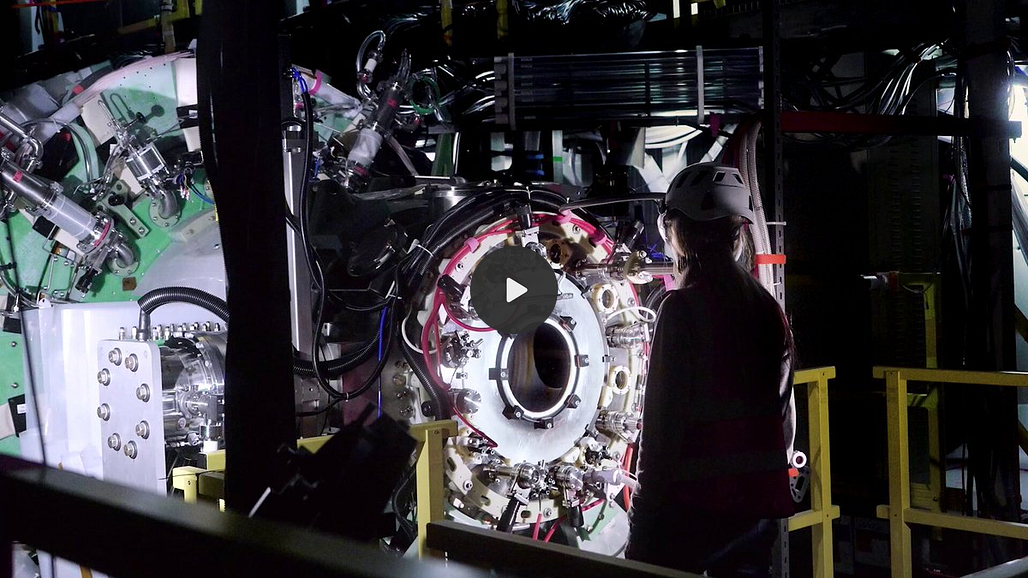
This is great news for nuclear energy on both the fission and fusion fronts. I am excited for more achievements like this.
NewLimit prototypes a drug to reverse the aging of cells


NewLimit now has a prototype drug that reverses the age of some human cells (restores the function they had when they were younger), and a clinical trial is scheduled for next year (with more drug candidates in the pipeline).
I think many companies are now trying to address the problem of aging. Bryan Johnson is trying to figure out how to build your day so that you slow down aging. He even has his Don’t Die movement.
I am very optimistic about this kind of research, and with the help of AI, I think we can even move faster than before.
Great podcast by Ashlee Vance with Jacob Kimmel, CoFounder of Newlimit, about Newlimit’s achievement.
I didn’t get a chance to watch the whole video, so I used VoxBee to give me a summary, and here are some interesting points from it:
NewLimit’s core scientific goal is to decouple age reversal from cell-type reversal so that an old liver cell can become a young liver cell rather than a stem cell.
Kimmel says the company observed that old mice exposed to alcohol became heavily sedated, while treated old mice behaved more like young mice, leading the team to describe the effect internally as preventing a mouse hangover.
He argues that even if current delivery technologies reach only a limited set of cell types, rejuvenating just a few key cell types could still add meaningful healthy years of life.
Kimmel says the first human dosing is now targeted for 2027, earlier than the company originally expected, as preclinical results progressed faster than anticipated.
Another interesting thread I bumped into related to this. This said that if they can boost one protein, then it would reverse age-related gene activity in old mouse cells.


Starcloud becomes a unicorn
If you have not heard of StartCloud, it’s a company based in Washington, US, that is building solar-powered data centers for deployment in Space. They recently became a unicorn by raising $170 million. They became the fastest company to reach that milestone in YC’s history.
In November, they partnered with SpaceX to launch Starcloud-1, its 130-pound satellite carrying an Nvidia H100 chip. The mission successfully demonstrated that the hardware could process AI workloads reliably in orbit, including becoming the first to train a large language model in space, they reported.
The founder and CEO of Starcloud, Philip Johnston, explains why building datacenters in space is a no-brainer.

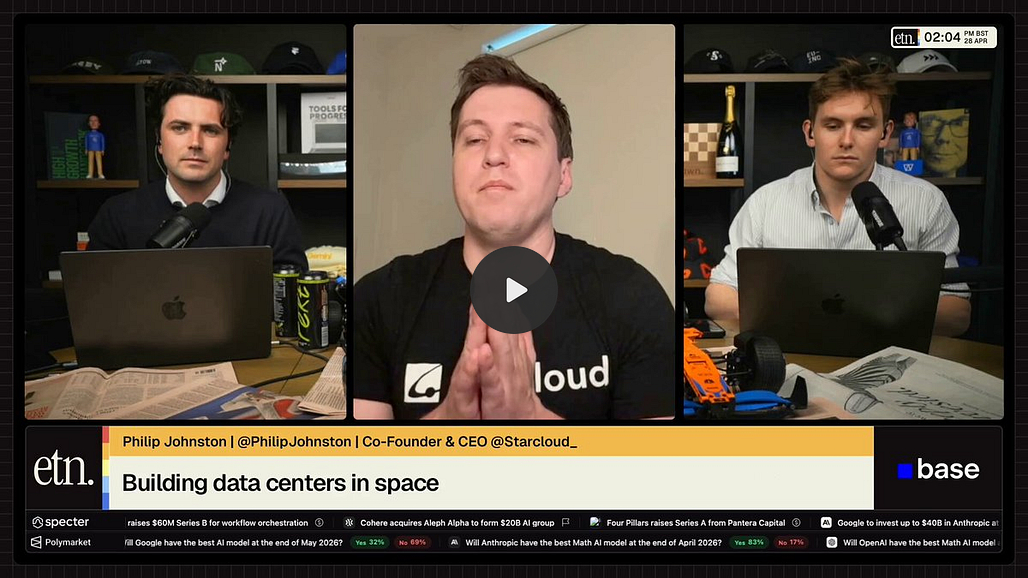

One of the things in space is that there’s no day or night, and there are no clouds. So sunlight is available for 24 hours a day. So in theory, you don’t need to store energy in batteries as we do on Earth. This gives them the advantage of a constant energy supply to run the data centers.
Other interesting reads