

Last month, I started working on an app that I wanted to build for myself.

I have been obsessed with clean, whole foods for a long time, but there wasn’t an easy way to find them on the go. So, as I built this app for myself, I also started making it available to others. During that process, I started getting some good feedback from early users, which I would like to share in this post.
But first, a few points about why I am building this and what the idea behind it is.
The core idea of this app is not only to explain what macro- and micronutrients are, but also to show that they’re secondary. It’s about determining how real or whole the food is. I believe that’s a far more important metric than macros/micros. A 2019 study confirmed that, when calories, energy density, macronutrients, sugar, sodium, and fiber are held constant, an ultra-processed food diet leads to weight gain.
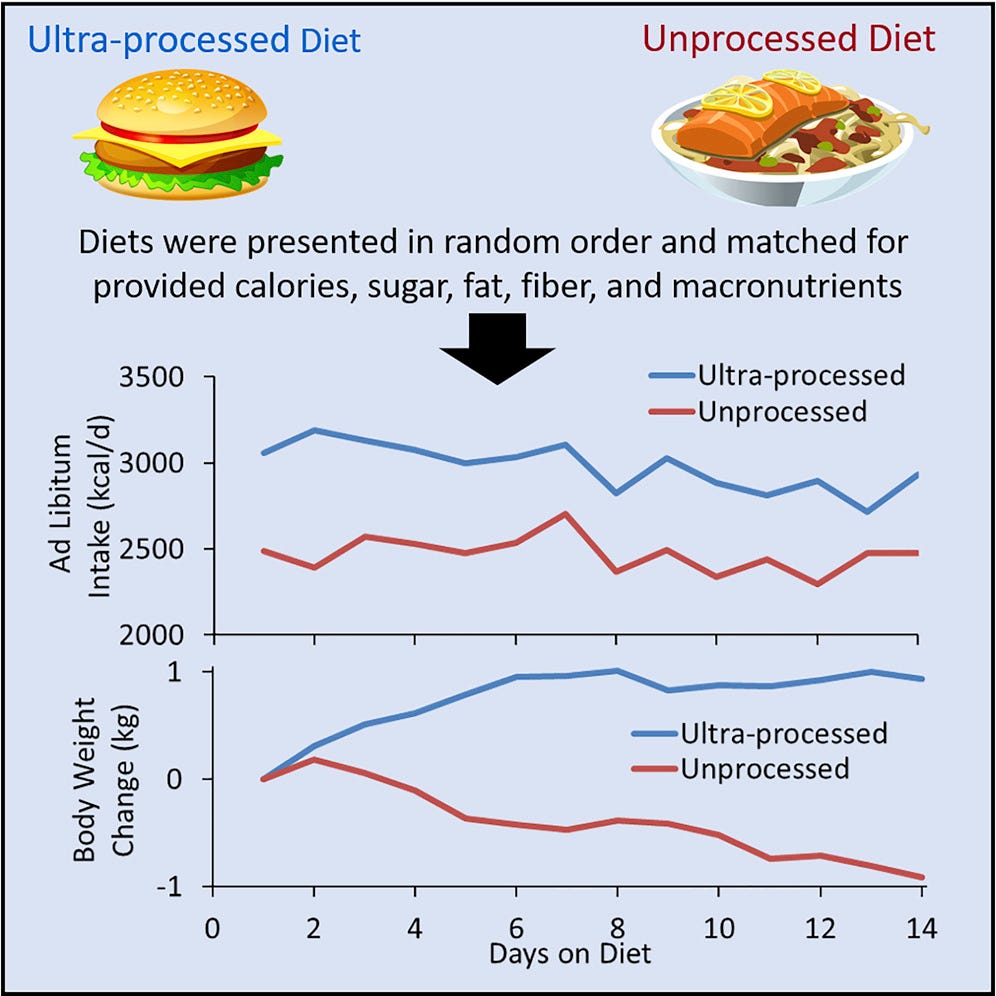
Even excessive consumption of ultra-processed protein bars to meet your protein needs could harm your body
The proliferation of processed foods and foods with more than 3-4 ingredients has increased significantly over the past 40 years.
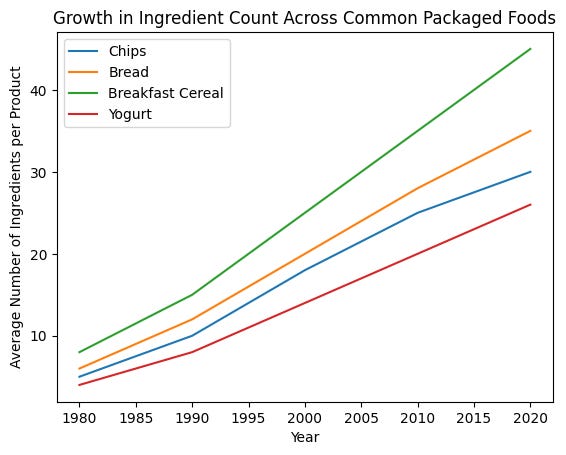
The fact that they are easy to package, market, and sell to users makes them part of the problem. And when companies realized people were more focused on macros/micros, we got those highly processed protein bars.
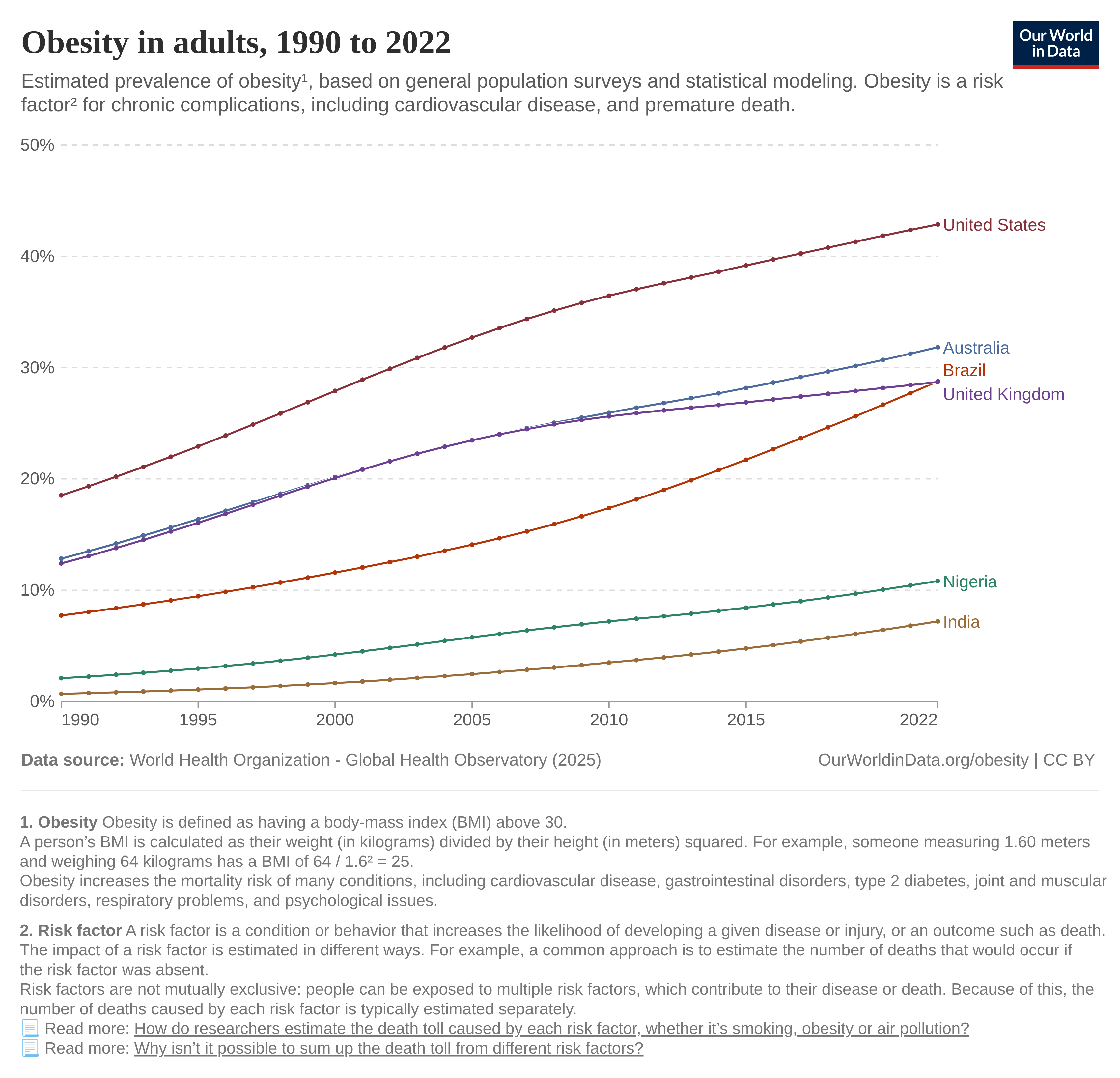
This is directly correlated with an increase in obesity around the world. (Of course, this is one factor, and abundance is another reason, which we will discuss at another time)
And that is why it is super important that we go back to core principles and understand what is in our food. In our busy modern lives, we do not have time to cook everything ourselves, so we rely on packaged food. The point is not to avoid packaged food entirely, but at least to know what is in the food, make educated decisions, and use the recommendations to compare.
After I opened this platform to users, I received some really good initial feedback, which I am sharing below in 3 important points.
Transparency is important.
What you see is what you can make decisions about. One of the challenges of clean eating is that people are overly focused on macros. They only look at how much protein this bar has. But I think being transparent about the actual ingredients gives them an edge. Also, the first rule of thumb — the higher the number of ingredients in your food, the more likely it is to be worse. If you see any ingredient label, you don’t know what it is because there are so many variations. So if we could see those easily, we could make decisions quickly.
Users want recommendations on how much to eat.
Even though many people eat for taste and nostalgia, they want to avoid overdoing it. They want guidance on how much to eat, like once a week or once a month. This is the principle I also like - eating in moderation. Once in a while, you can enjoy that sweet ultra-processed snack. It’s OK. We don’t all have to be Bryan Johnson from day one.
Users want recommendations for healthier alternatives.
In the abundance of types of drinks, protein bars, etc., it’s really hard to find what is actually good. So users looking at a product want alternative recommendations on which one is relatively better and why. That is why we built the recommendation feature on our platform, which recommends based on the food's wholeness rather than just macros.
This is what is driving the core features now, and as I get more and more feedback on what would help users, we will keep iterating
If you are in the same boat, trying to eat clean, check out the Food Realness platform. When you sign up, you get 5 free credits to analyze.